
AI Agents vs Traditional Software: Why Businesses Are Rethinking Automation in 2026
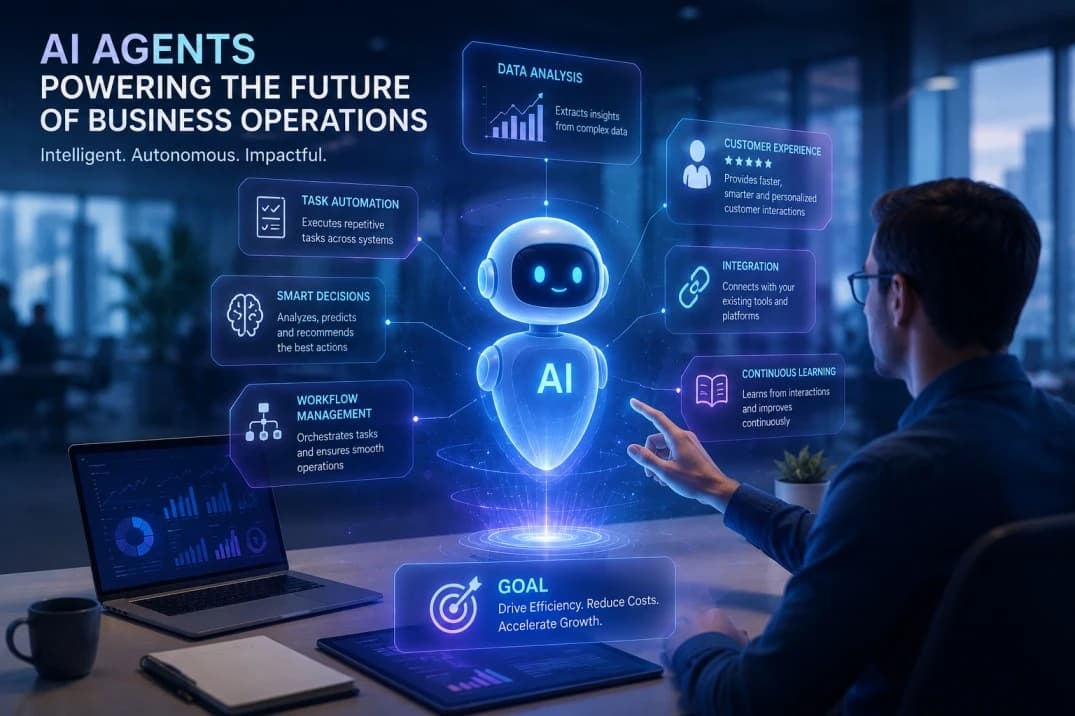
AI Agents vs Traditional Software: Why Businesses Are Rethinking Automation in 2026
Introduction
Business software has transformed organizations over the past few decades. From accounting systems and customer relationship management platforms to inventory tracking and project management tools, software has helped businesses streamline operations and improve efficiency.
However, a new wave of technology is emerging that goes beyond simply helping employees perform tasks.
AI Agents are introducing a fundamentally different approach to automation.
Unlike traditional software that requires users to manually initiate actions and manage workflows, AI Agents can understand goals, analyze information, make decisions, and perform tasks autonomously.
As organizations seek greater efficiency and productivity, many are beginning to explore how AI Agents can complement and enhance existing software systems.
This shift represents one of the most significant developments in business technology since the rise of cloud computing.
Understanding Traditional Business Software
Traditional software is designed to help users complete specific business activities.
Examples include:
- Customer Relationship Management (CRM) systems
- Accounting software
- Inventory management platforms
- Human resource management systems
- Project management tools
- Customer support platforms
These systems are excellent at organizing data, tracking information, and supporting business operations.
However, they typically require users to:
- Enter information
- Update records
- Generate reports
- Monitor workflows
- Make decisions
- Trigger actions
The software provides tools, but humans remain responsible for performing most tasks.
What Are AI Agents?
AI Agents are intelligent software systems capable of understanding objectives and performing actions with minimal human intervention.
Unlike traditional applications, AI Agents can:
- Interpret instructions
- Analyze large amounts of information
- Make context-aware decisions
- Execute multi-step processes
- Learn from interactions
- Adapt to changing conditions
Think of traditional software as a toolbox.
Think of AI Agents as skilled assistants that know how to use the tools effectively.
Rather than simply displaying information, AI Agents actively help achieve desired outcomes.
Traditional Software vs AI Agents
| Traditional Software | AI Agents |
|---|---|
| User-driven | Goal-driven |
| Requires manual actions | Executes tasks autonomously |
| Follows predefined rules | Adapts to context |
| Displays information | Generates insights |
| Supports workflows | Performs workflows |
| Requires constant user interaction | Operates with minimal supervision |
The distinction is important.
Traditional software helps people work.
AI Agents increasingly help complete the work itself.
Why Businesses Are Exploring AI Agents
Several factors are driving adoption.
Growing Operational Complexity
Modern organizations manage:
- Multiple software platforms
- Large volumes of data
- Diverse customer interactions
- Complex workflows
Employees often spend significant time navigating systems and performing repetitive administrative tasks.
AI Agents can reduce this burden by coordinating activities across platforms and automating routine work.
Rising Productivity Expectations
Businesses constantly seek ways to achieve more with existing resources.
AI Agents can:
- Reduce manual effort
- Accelerate decision-making
- Improve operational efficiency
- Increase responsiveness
This allows organizations to focus resources on strategic growth initiatives.
Improved Access to Artificial Intelligence
Advances in artificial intelligence have made intelligent automation more practical and affordable.
Today, businesses of various sizes can implement AI-powered solutions without requiring extensive research teams or specialized infrastructure.
Real Business Applications of AI Agents
Customer Support
Traditional customer support workflows often involve:
- Reading incoming requests
- Categorizing tickets
- Assigning support agents
- Drafting responses
AI Agents can automate much of this process.
They can:
- Understand customer queries
- Categorize issues
- Suggest responses
- Escalate complex cases
- Track resolution progress
This improves response times while maintaining service quality.
Sales and Lead Management
Sales teams frequently spend valuable time updating records and managing follow-ups.
AI Agents can:
- Capture lead information automatically
- Update CRM systems
- Prioritize opportunities
- Schedule follow-ups
- Generate sales insights
This allows sales professionals to spend more time building customer relationships.
Reporting and Analytics
Many businesses still generate reports manually.
Employees collect information from multiple systems, perform calculations, and prepare summaries.
AI Agents can:
- Gather data automatically
- Analyze trends
- Identify anomalies
- Generate executive summaries
- Recommend actions
Organizations gain faster access to meaningful insights.
Human Resources
HR teams manage numerous repetitive processes.
AI Agents can assist with:
- Resume screening
- Employee onboarding
- Policy information requests
- Training recommendations
- Performance insights
This improves efficiency while supporting employee experiences.
Benefits of AI Agents
Increased Productivity
Employees spend less time on repetitive administrative tasks and more time on strategic activities.
Faster Decision-Making
AI Agents can process large volumes of information quickly and provide actionable recommendations.
Improved Customer Experiences
Customers benefit from faster responses, personalized interactions, and more consistent service.
Better Scalability
Organizations can handle growing workloads without proportionally increasing administrative effort.
Enhanced Operational Efficiency
Processes become faster, more consistent, and less dependent on manual intervention.
Challenges Businesses Should Consider
While AI Agents offer significant advantages, successful implementation requires careful planning.
Data Quality
AI systems rely on accurate information.
Poor-quality data can affect results and reduce effectiveness.
Security and Privacy
Organizations must ensure AI solutions comply with security standards and data protection requirements.
Human Oversight
AI Agents should support decision-making rather than replace accountability.
Human review remains important for critical business decisions.
Change Management
Employee adoption is essential.
Businesses should provide training and clear communication regarding AI initiatives.
Will AI Agents Replace Traditional Software?
Not entirely.
Traditional software remains essential for:
- Data storage
- Financial transactions
- Business records
- Workflow management
- Regulatory compliance
AI Agents are more likely to operate on top of existing systems.
They serve as intelligent layers that connect platforms, automate tasks, and assist users.
The future is not AI Agents versus traditional software.
The future is AI Agents working alongside traditional software.
What the Future Looks Like
Over the next several years, businesses will increasingly adopt environments where:
- Traditional software manages core business functions
- AI Agents automate repetitive activities
- Employees focus on strategic and creative work
- Data-driven decision-making becomes more accessible
Organizations that successfully combine human expertise with AI-powered automation will be well-positioned for long-term success.
Conclusion
AI Agents represent an important evolution in business technology.
Traditional software helps users perform tasks.
AI Agents help users achieve outcomes.
By automating repetitive activities, generating insights, and supporting decision-making, AI Agents are enabling organizations to improve productivity and efficiency.
While traditional software will continue to play a critical role in business operations, AI Agents are becoming an increasingly valuable addition to modern technology strategies.
Businesses that begin exploring these opportunities today will be better prepared for the future of work.
The question is no longer whether AI will influence business operations.
The question is how organizations can use AI effectively to create measurable business value.
Frequently Asked Questions
What is an AI Agent?
An AI Agent is an intelligent software system capable of understanding objectives, analyzing information, making decisions, and performing tasks with minimal human intervention.
How are AI Agents different from traditional software?
Traditional software requires users to initiate actions manually, while AI Agents can actively perform tasks and support decision-making.
Can small businesses benefit from AI Agents?
Yes. Many AI-powered solutions are becoming increasingly affordable and accessible for small and medium-sized businesses.
Will AI Agents replace employees?
AI Agents are designed to automate repetitive work and enhance productivity. Human expertise remains essential for strategic thinking, creativity, leadership, and relationship management.
What industries can use AI Agents?
AI Agents can provide value across industries including healthcare, retail, finance, education, logistics, manufacturing, hospitality, and professional services.
About MYWE Technologies
MYWE Technologies a leading IT firm in Thrissur,kerala,helps organizations embrace digital transformation through AI-powered solutions, intelligent automation, custom software development, web applications, mobile app development, and cloud technologies.
Our mission is to help businesses leverage emerging technologies to improve efficiency, enhance customer experiences, and achieve sustainable growth.
Ready to explore how AI can transform your business operations? Connect with MYWE Technologies to discuss practical AI solutions tailored to your organization.
Related Articles
 Artificial Intelligence
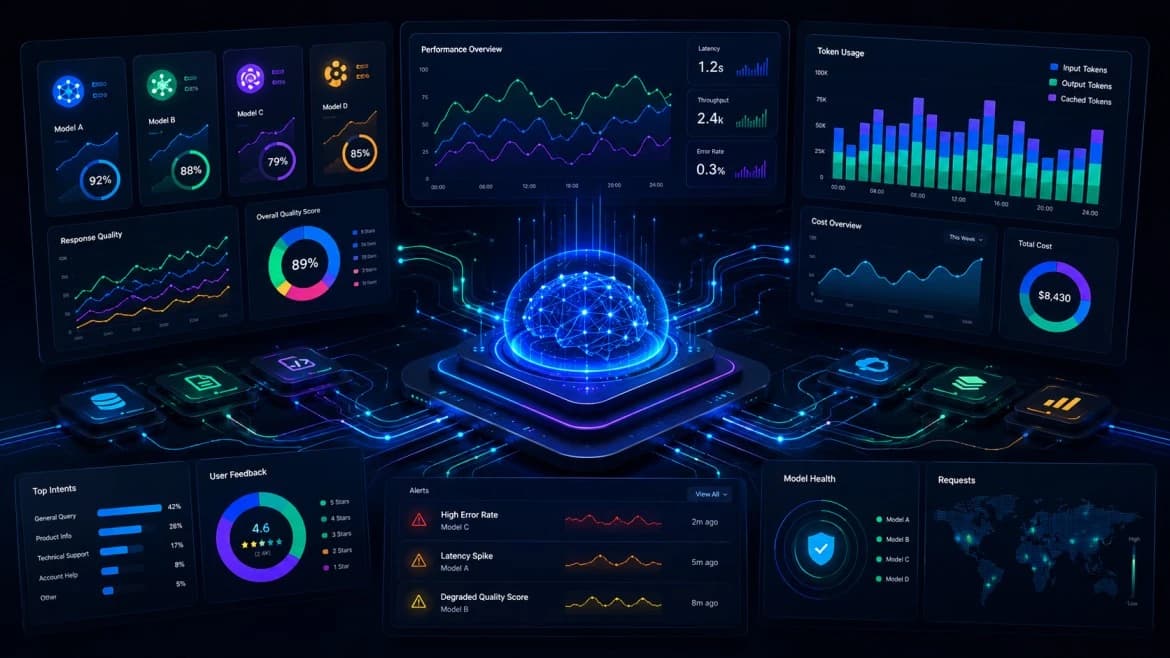
AI Observability: Why Monitoring AI Systems Is the Next Big Enterprise Challenge
 Artificial Intelligence
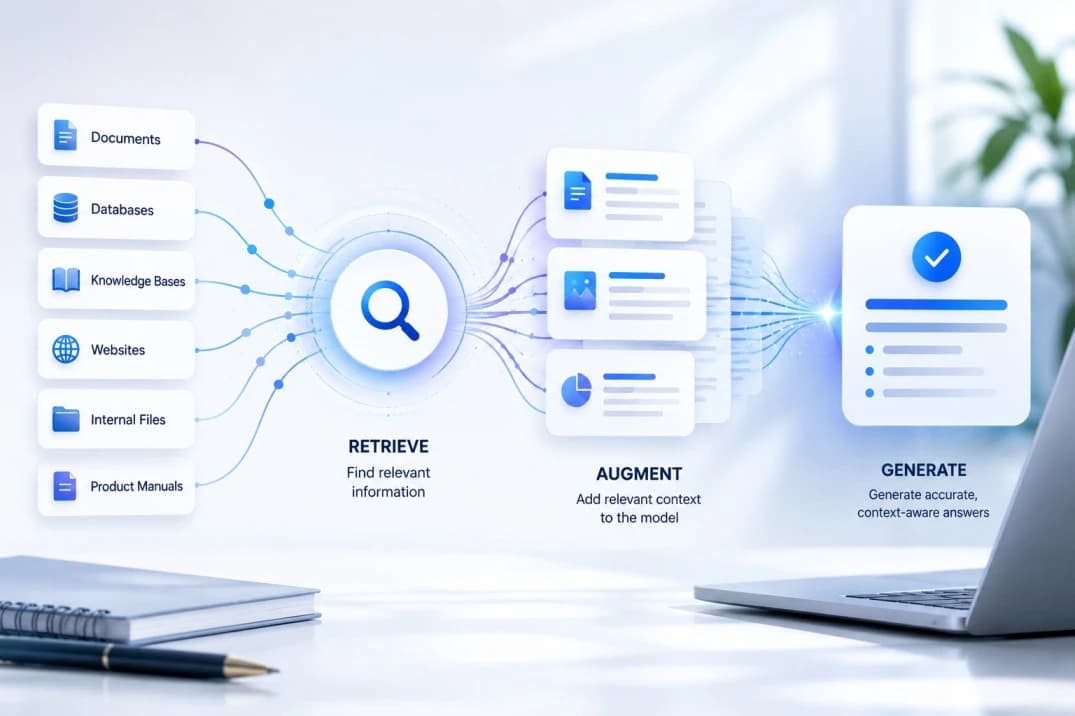
Edge AI vs Cloud AI: Choosing the Right AI Strategy for Your Business
 Artificial Intelligence